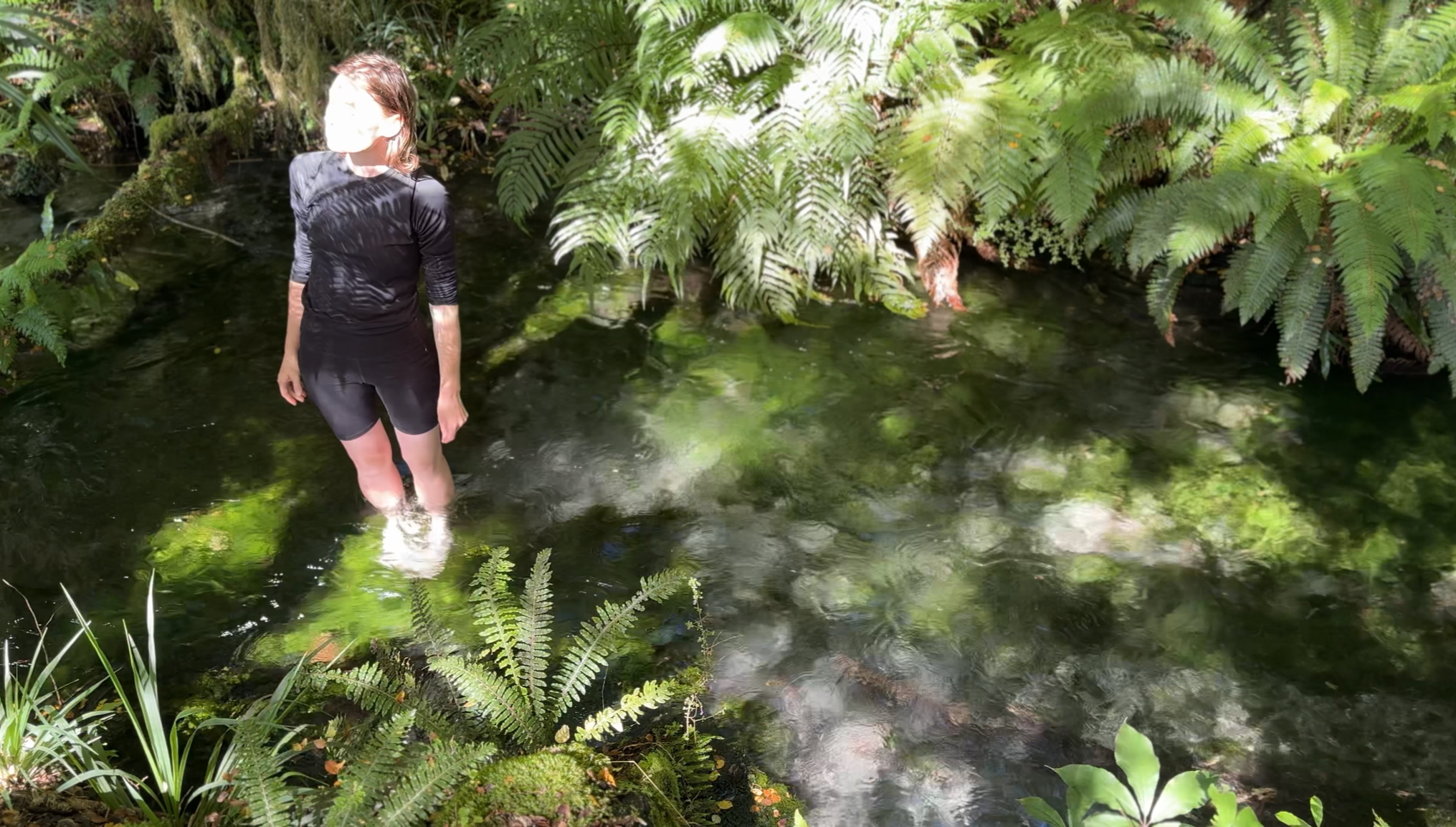
Stand still. The trees ahead and bushes beside you
are not lost. Wherever you are is called Here,
and you must treat it as a powerful stranger,
must ask permission to know it and be known.
DAVID WAGONER
To Walk as a Form of Knowing
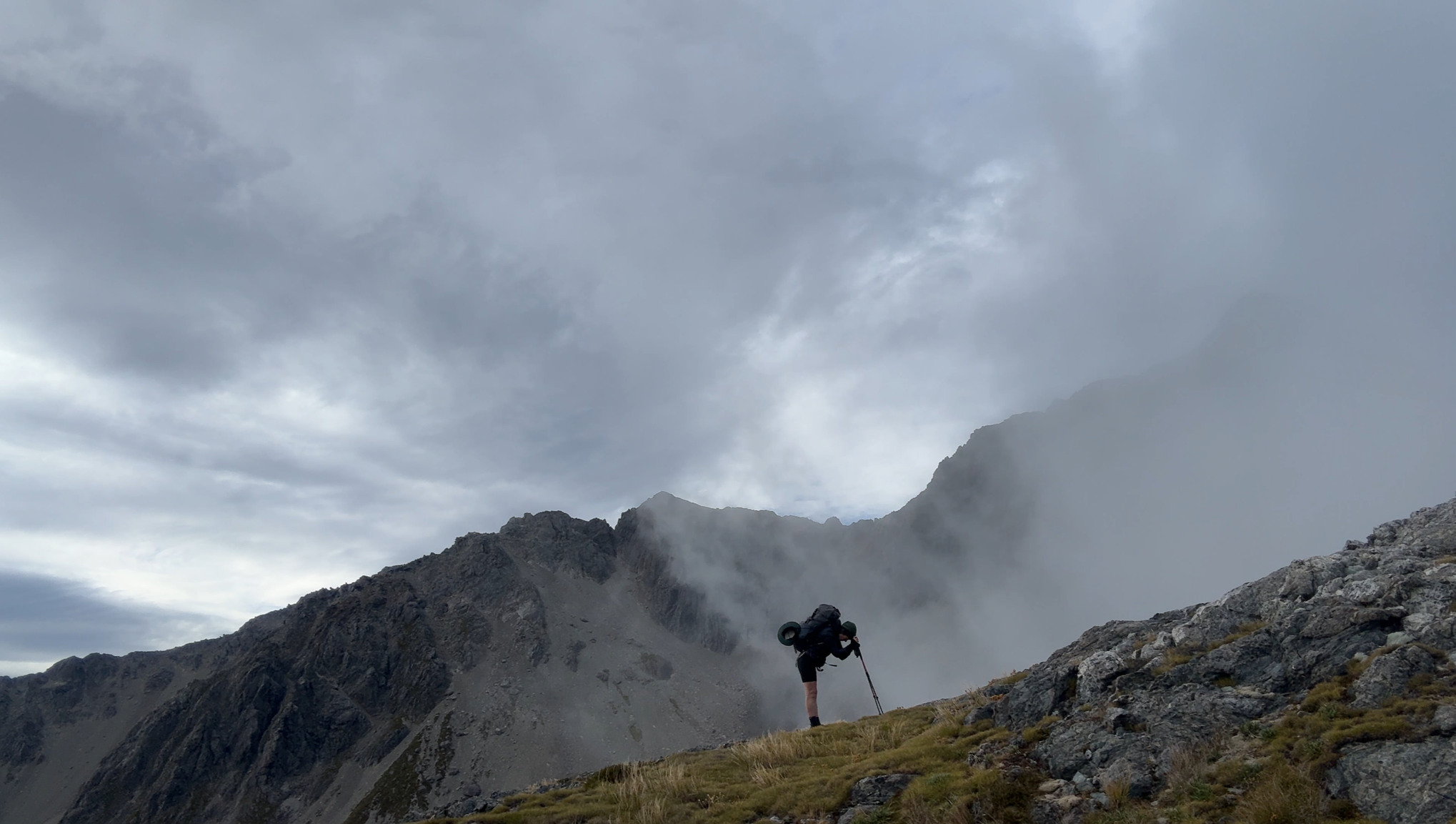
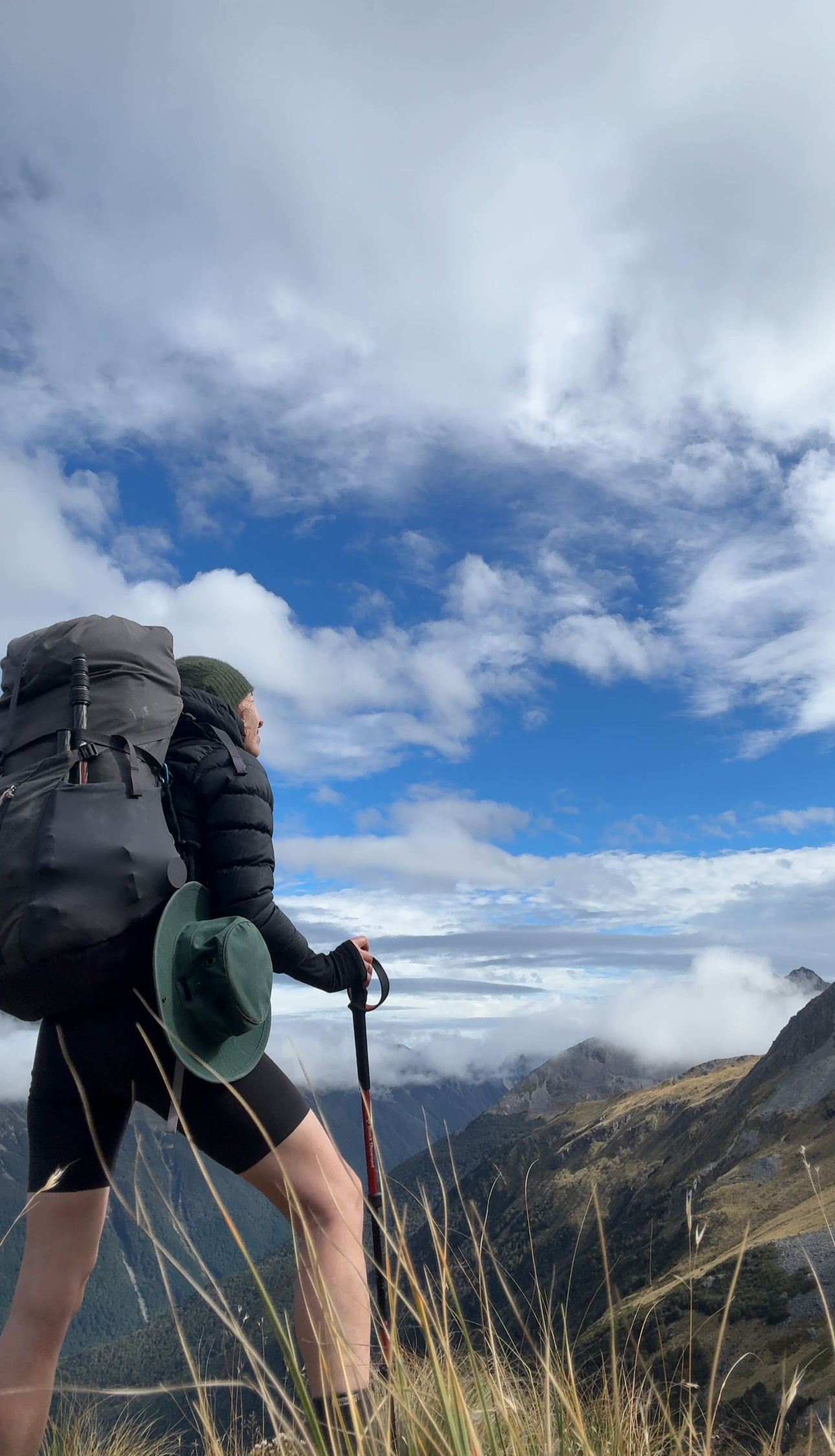
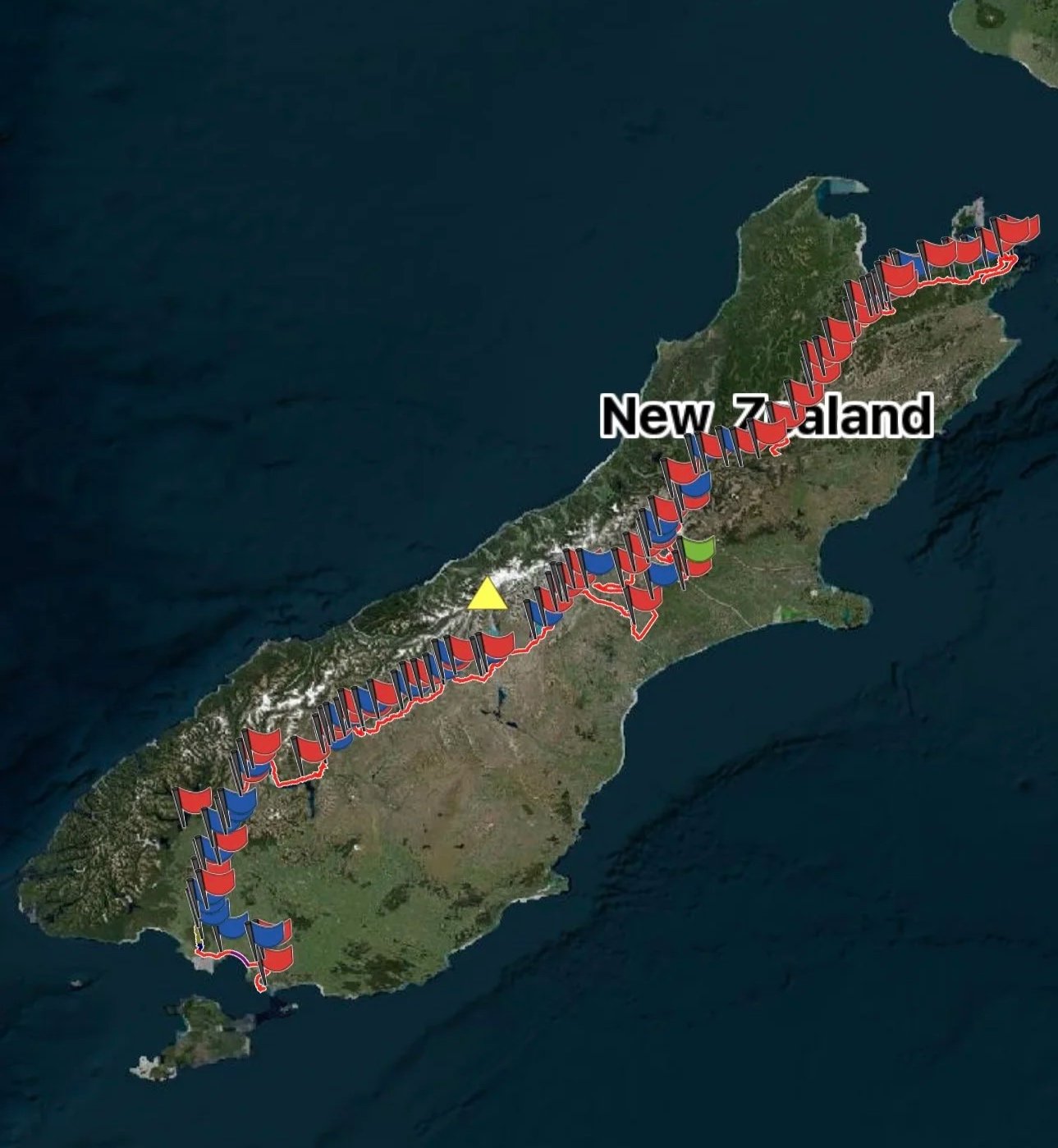
On 22 February 2024, I caught a water taxi to Meretoto (Ship Cove), a secluded beach in the Marlborough Sounds and the northernmost point of Te Waipounamu, the South Island of Aotearoa New Zealand.
It was here that I began walking Te Araroa, a 1,400-kilometre through-hike that weaves across mountains and rivers, remote farms and regional towns, all the way to Bluff, the southernmost town on mainland New Zealand.
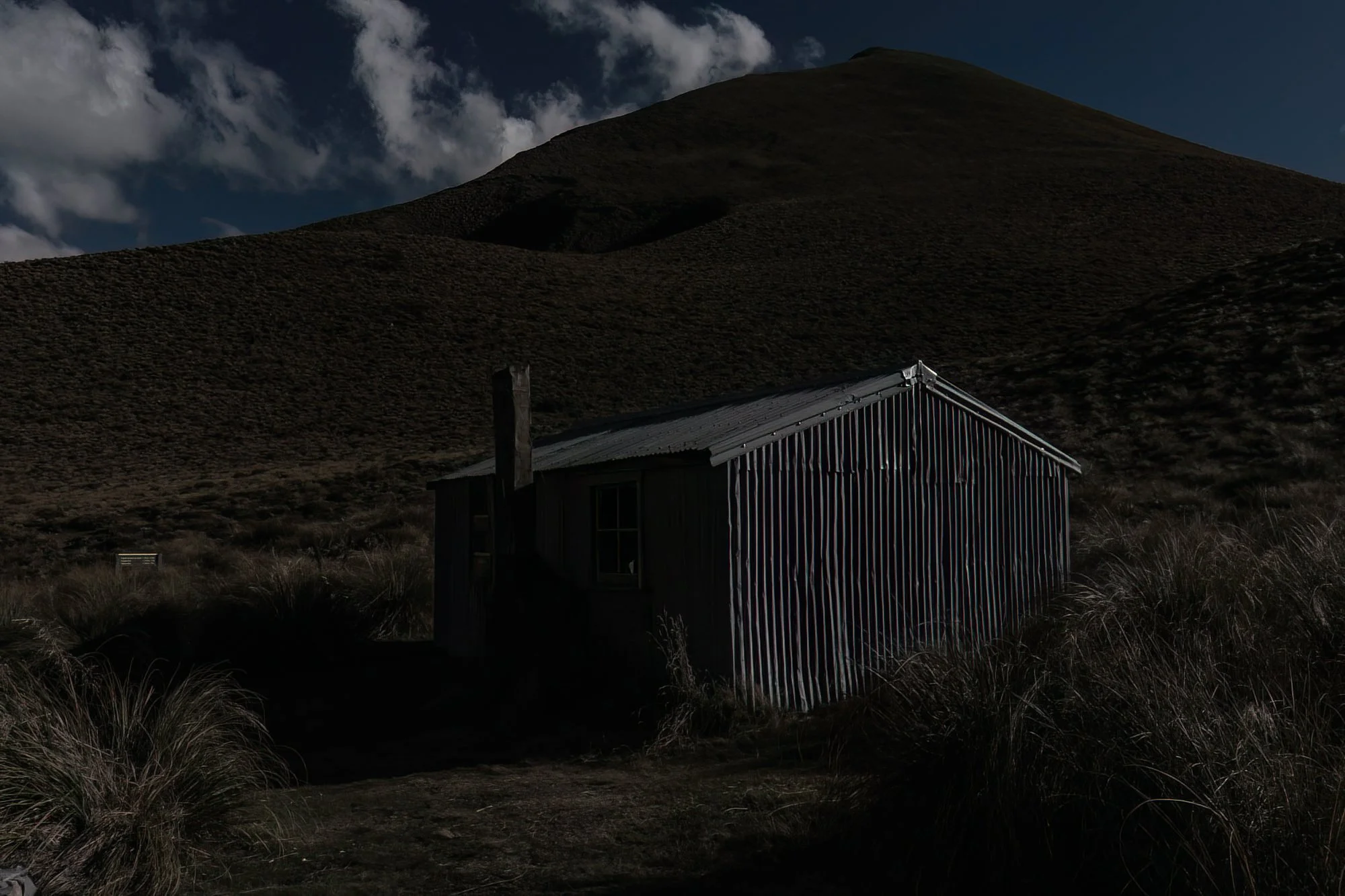
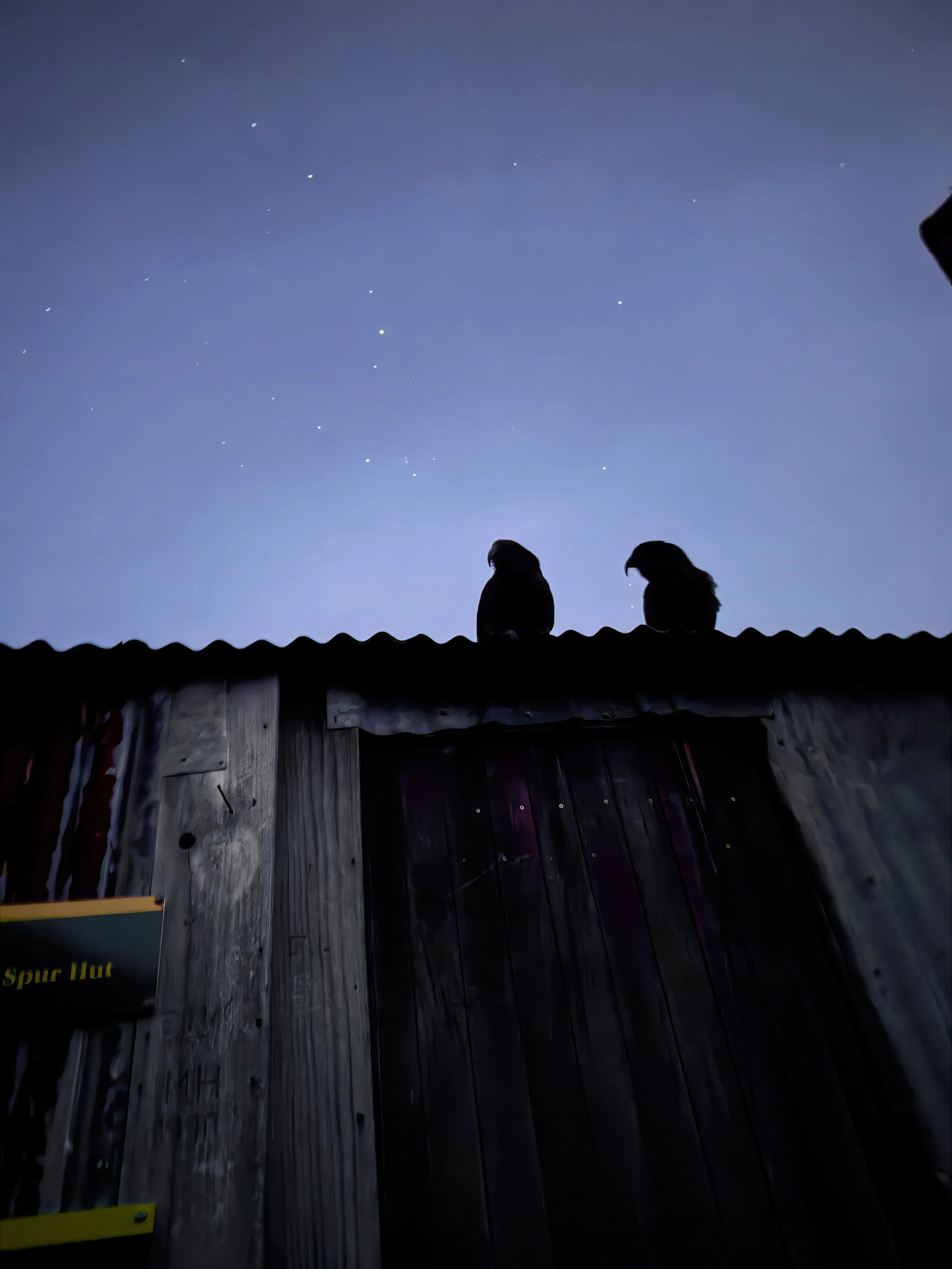
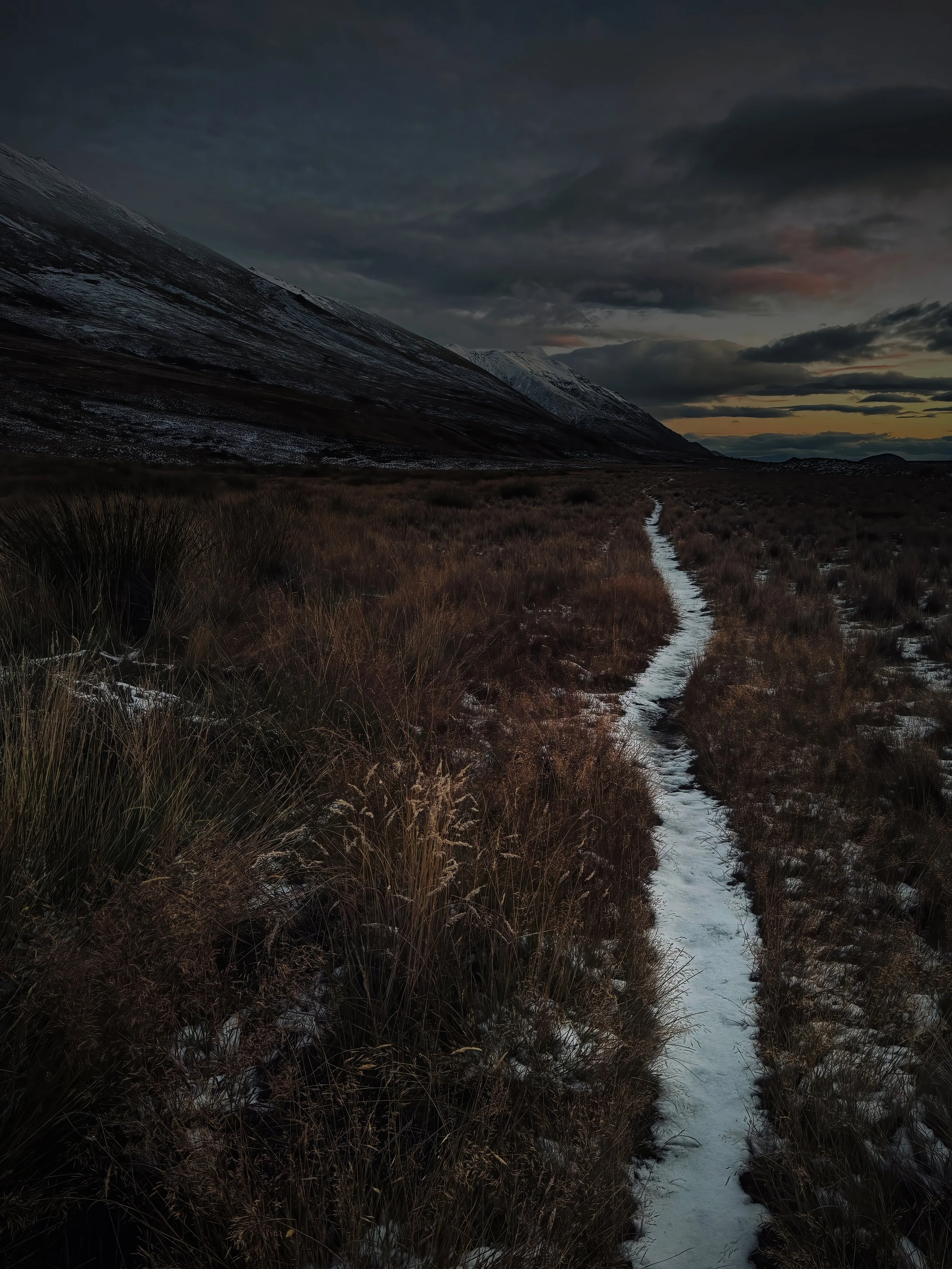
I began in late summer and finished in the final weeks of autumn. The further I walked, the fewer people I passed on the trails and the emptier the backcountry huts became. This increasing isolation offered the solitude and stillness I had set out to find.
My relationship to the South Island connects to my mother’s Scottish and Irish ancestors, who farmed across the Otago and Southland regions. Growing up in Wellington, I romanticised family stories of life on the land, until I saw the polluting effects of mass land drainage, deforestation and development upon once-healthy ecosystems.
To walk the island meant facing logistical, environmental, physical and psychological challenges. At its heart was a simple idea: to walk as a form of knowing, to trust, and to allow each step to reveal the next.
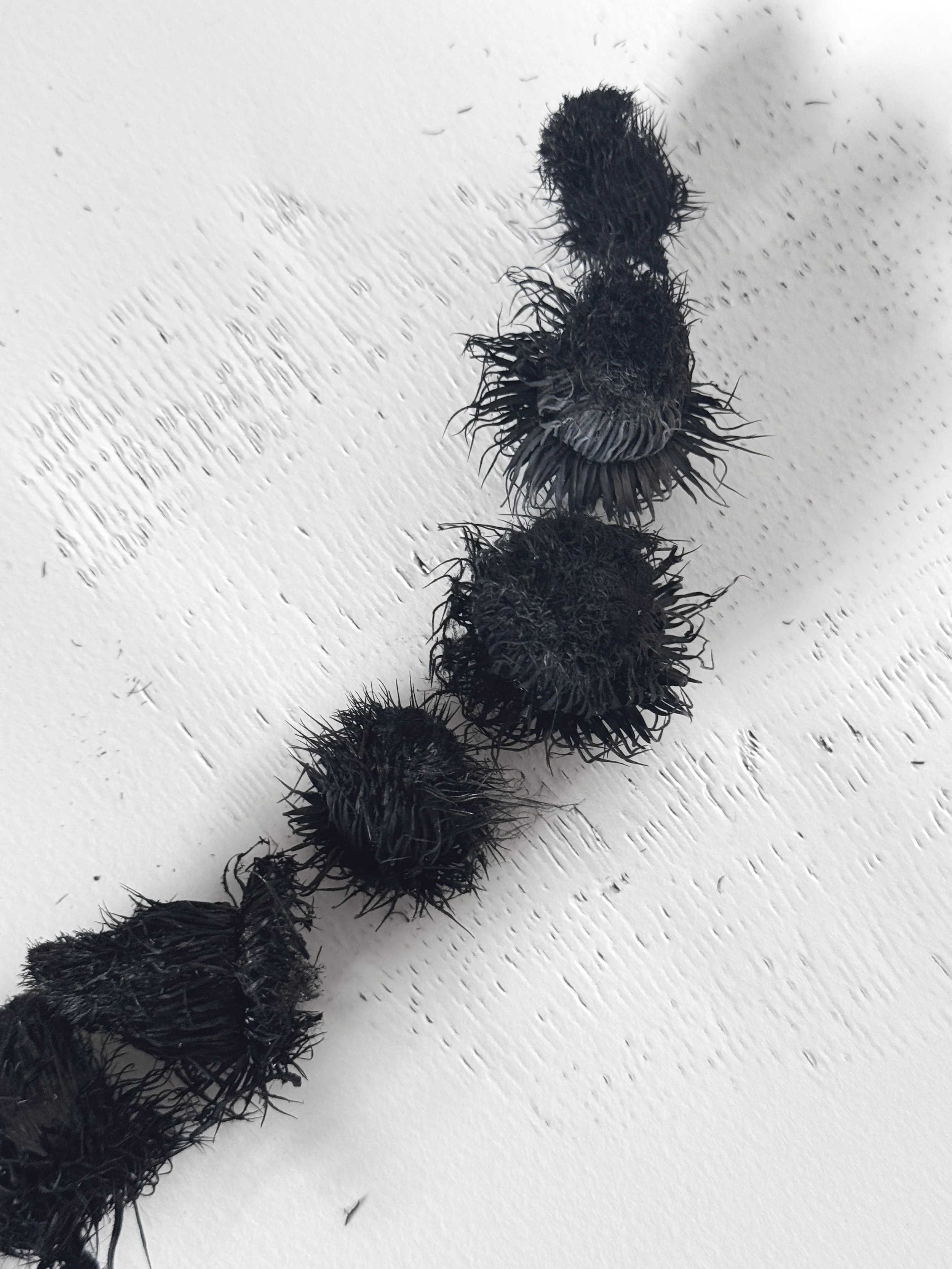
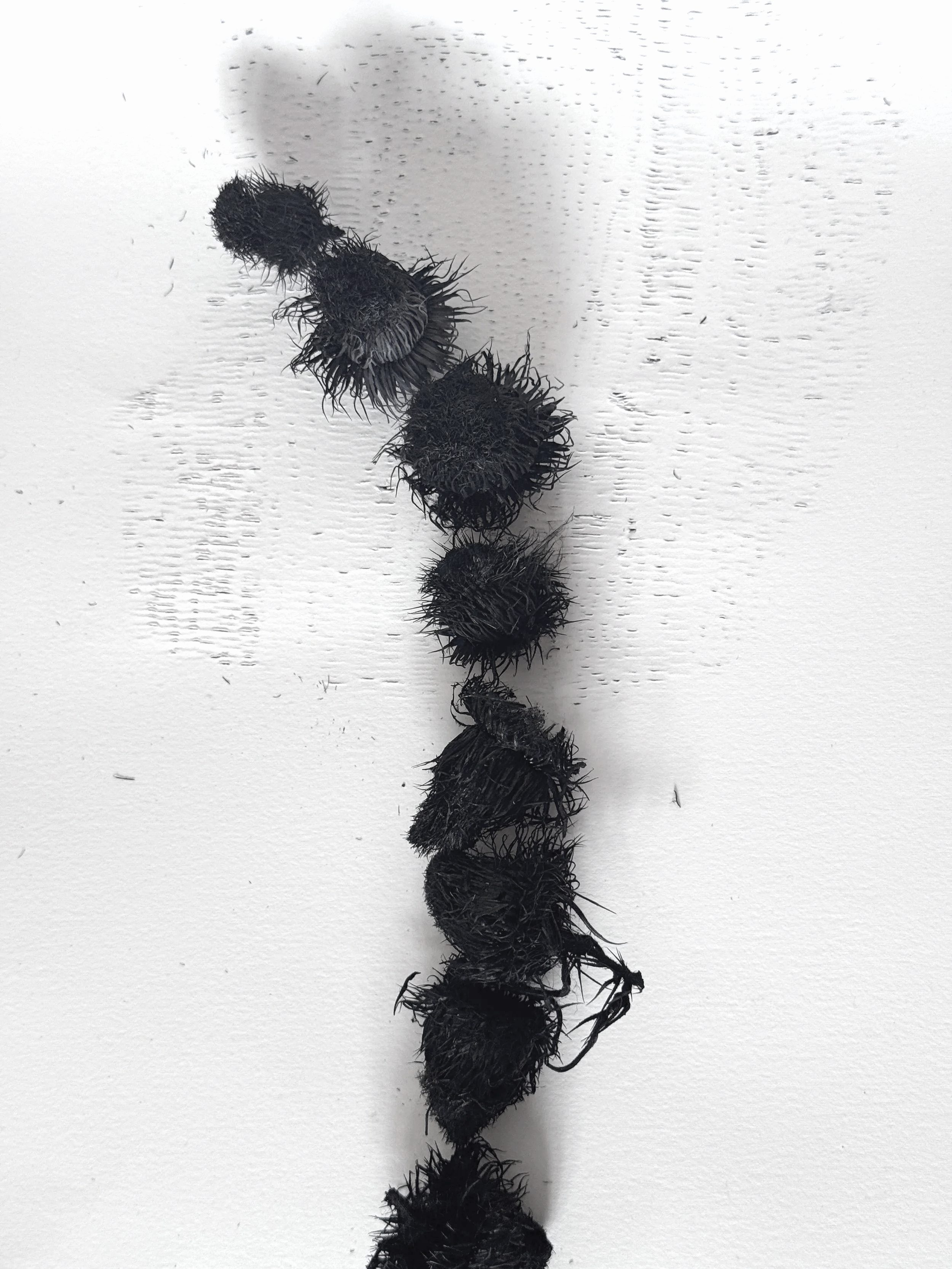
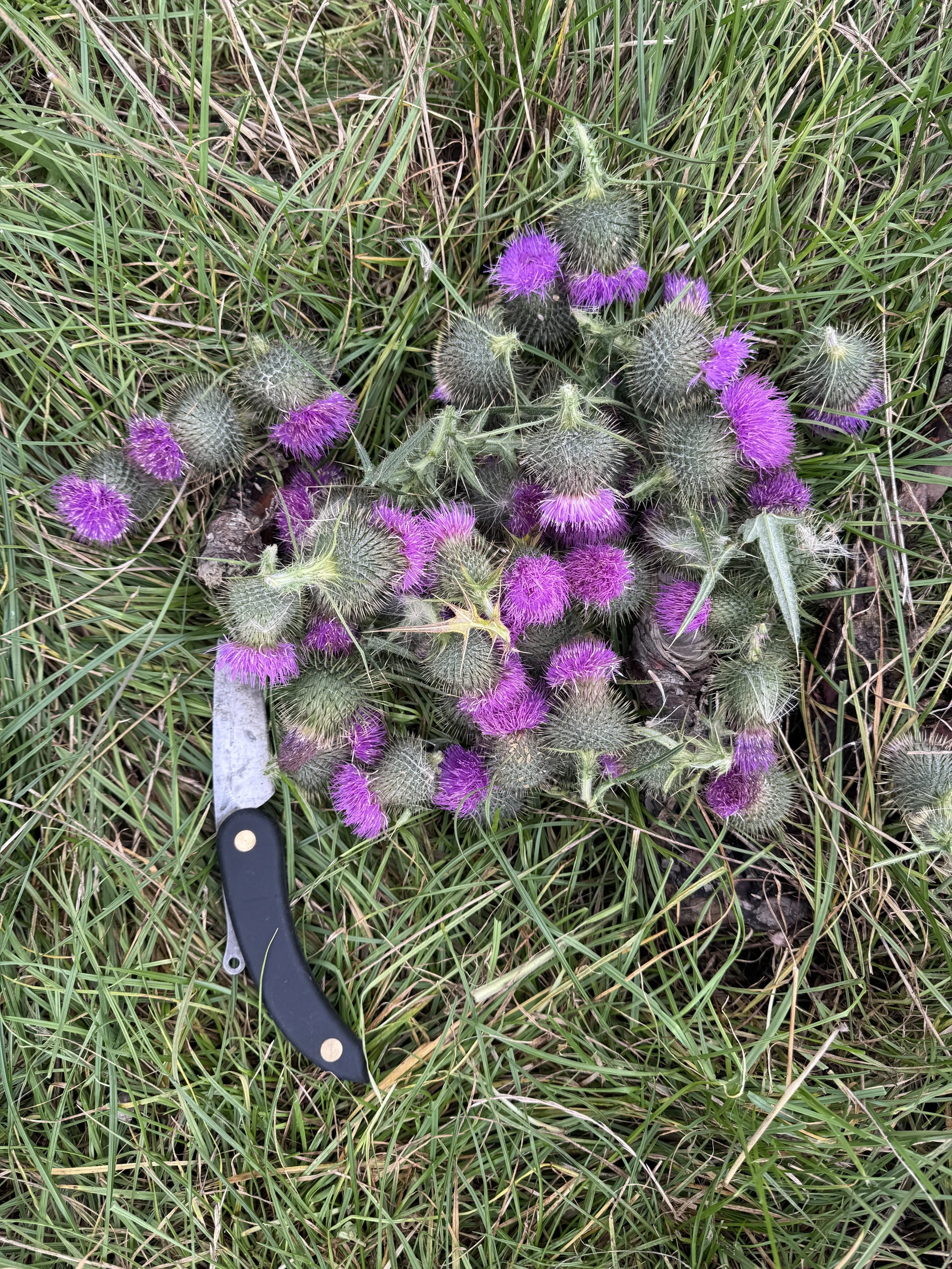
From the first hour of the walk to the last day, I cut and collected the seed-bearing flower heads of Scottish thistles growing along the trail.
Thistles are an invasive species, and removing their flower heads prevents their seeds from dispersing further. A single head can hold around 200 seeds, while a mature plant may produce many thousands more. Windborne seeds are carried by fine, feather-like hairs across land and water, settling, germinating and spreading again.
Each time I stopped to cut a seed head, my attention came into focus. Every cut felt like weeding, an act of conservation, and a deeper questioning of belonging.